
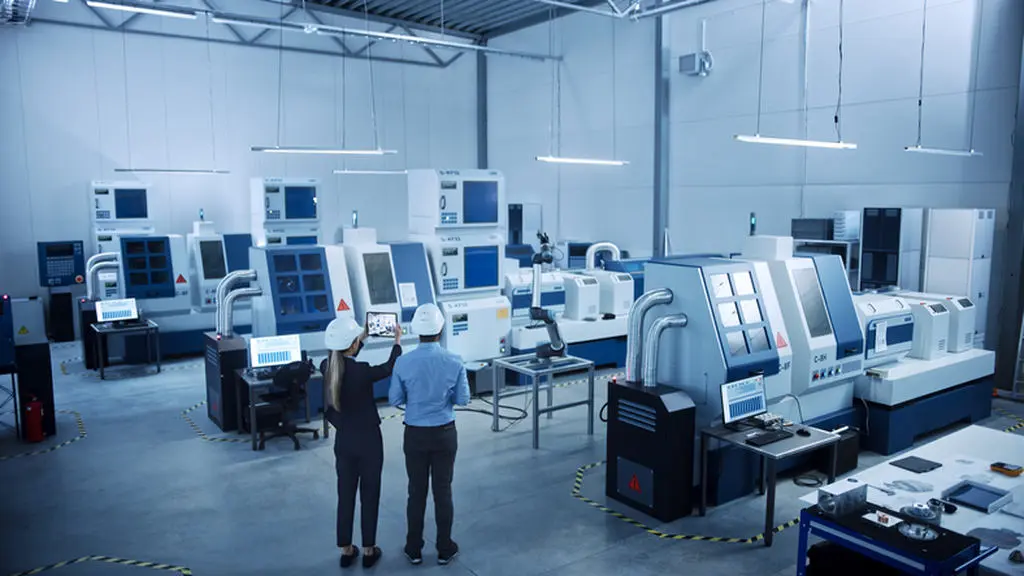

Physical vapor deposition is widely used in research laboratories and industrial manufacturing to produce controlled thin films on different substrate materials. Selecting the right PVD equipment requires careful consideration of the deposition process, substrate characteristics, production objectives, and operational requirements. Engineers and manufacturing buyers should evaluate the complete system rather than focusing only on the coating chamber or available power sources.
Identify the Required Deposition Process
The first step is determining which deposition technique is appropriate for the intended application. Magnetron sputtering and evaporation are two established approaches, but they operate differently and offer distinct process characteristics.
In magnetron sputtering, an inert gas such as argon is introduced into a vacuum chamber and ionized to create a plasma. Positive ions are accelerated toward a target material, causing atoms to be ejected and deposited onto the substrate. Magnetic fields help confine electrons near the target, supporting plasma generation and the deposition process.
Evaporation systems use thermal energy or an electron beam to vaporize a source material. The resulting vapor travels through the chamber and condenses on appropriately positioned substrates.
The choice depends on material properties, desired film characteristics, process requirements, and the available operating conditions.
Evaluate the Vacuum Chamber
The vacuum chamber is one of the most important components of a PVD system. Its design influences the working environment, available process configurations, and the ability to maintain repeatable deposition conditions.
Buyers should examine chamber dimensions, material compatibility, port availability, access for maintenance, and the possibility of adding additional process components.
Pumping configuration also deserves attention. Different applications may require different combinations of roughing and high-vacuum pumps. The achievable base pressure and pumping performance should be evaluated against the actual process requirements.
Consider Power Supplies and Deposition Sources
Power supply selection depends on the deposition method and target material. DC magnetron sputtering is commonly used with electrically conductive targets, while RF sputtering can support deposition from insulating materials. Pulsed DC may also be appropriate for certain reactive or specialized processes.
For evaporation, engineers should determine whether thermal or electron beam sources are better suited to the material and required deposition conditions.
Source configuration, available power, cooling requirements, and future expansion possibilities should all be reviewed before purchasing equipment.
Assess Substrate Handling and Process Control
Substrate holders influence positioning, exposure, and deposition uniformity. Depending on the application, buyers may require rotation, heating, specialized fixturing, or multiple substrate positions.
Control systems are equally important. Monitoring pressure, gas flow, power, temperature, and process timing can help operators maintain repeatable conditions.
For research environments, flexible process adjustments may be especially valuable. Production environments may place greater emphasis on automation, recipe management, and consistent operation.
Work With an Experienced Equipment Manufacturer
A suitable PVD system should reflect the actual requirements of the application. Semicore Equipment is a manufacturer of PVD coating equipment, including magnetron sputtering and evaporation systems, with custom vacuum engineering capabilities. Its equipment offerings include solutions for research and production applications.
Engineers should discuss their substrate dimensions, target materials, deposition goals, and operating requirements before finalizing a configuration.
Make Equipment Selection a Long-Term Decision
Purchasing PVD equipment is a significant technical and financial decision. Evaluating vacuum performance, deposition sources, substrate handling, process controls, maintenance requirements, and future expansion needs can help organizations select a system that supports both current projects and long-term development.
