
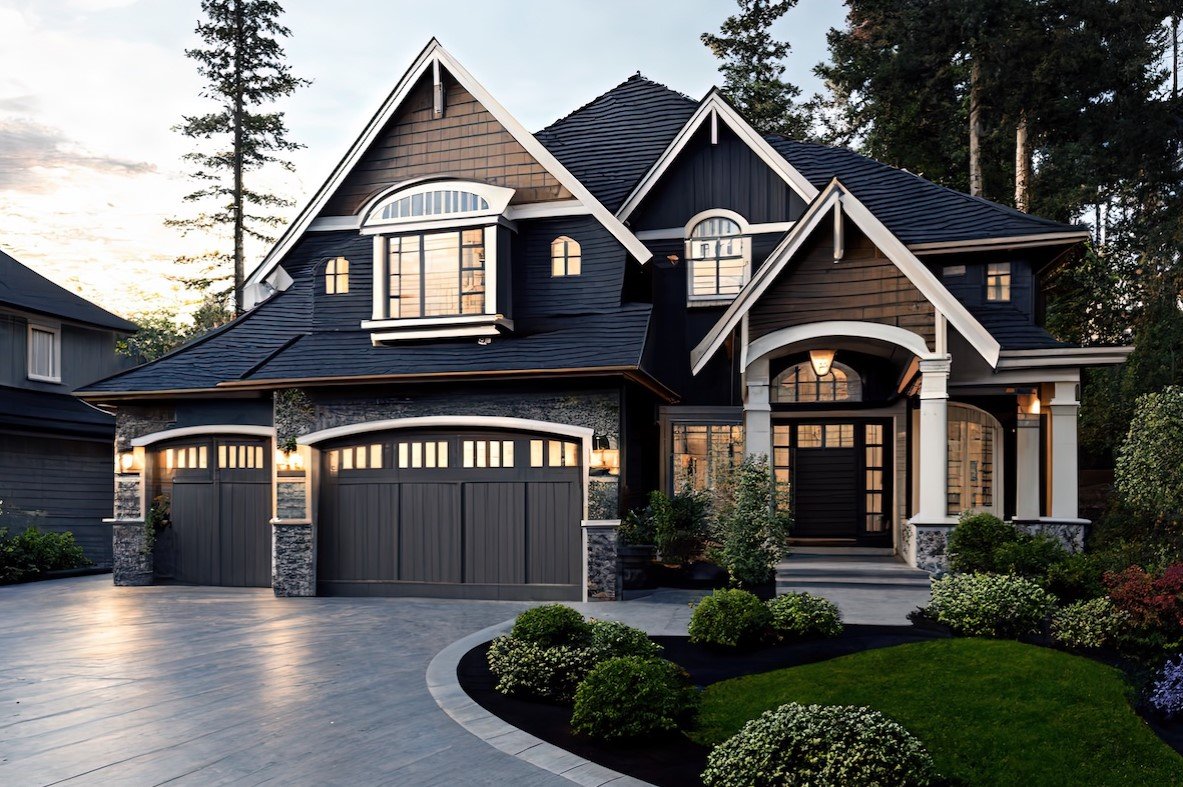

Building a home is one of the biggest investments a person can make, and many buyers want a house that reflects their lifestyle, taste, and future plans. This is where the idea of custom home building becomes important. Many people hear the term but are unsure exactly what it means. What Does Custom Mean in Home Building? Simply put, it refers to creating a home that is specifically designed and built according to the homeowner’s personal preferences rather than using a standard layout or pre-designed model.
A custom home offers flexibility, creativity, and personalization that standard production homes often cannot provide. From floor plans to finishes, every detail can be tailored to fit the homeowner’s needs. Understanding the meaning and benefits of custom home building can help buyers make smarter decisions during the home construction process.
Understanding the Meaning of a Custom Home
To answer the question, “What Does Custom Mean in Home Building?”, it is important to understand how custom homes differ from traditional homes. A custom home is designed specifically for an individual client. The homeowner works closely with architects, designers, and builders to create a unique house.
Unlike production homes, which are built using the same designs repeatedly, custom homes are one-of-a-kind. Homeowners have greater control over features such as:
- Floor plans
- Room sizes
- Exterior appearance
- Kitchen design
- Flooring materials
- Lighting fixtures
- Smart home technology
- Landscaping
This level of customization allows people to build a home that matches their exact vision and lifestyle.
Types of Custom Home Building
Fully Custom Homes
A fully custom home is designed completely from scratch. The homeowner chooses everything, from the architectural style to the smallest interior details. This option provides maximum freedom and creativity.
These homes are ideal for people who:
- Have specific design preferences
- Need unique layouts
- Own a special piece of land
- Want luxury features
- Plan to stay in the home long-term
Semi-Custom Homes
Semi-custom homes offer a balance between personalization and affordability. Builders usually provide pre-designed floor plans that buyers can modify.
Common modifications include:
- Adding extra rooms
- Changing kitchen layouts
- Upgrading finishes
- Expanding living spaces
- Adjusting exterior styles
Semi-custom homes are often more budget-friendly while still offering personal touches.
Benefits of Custom Home Building
Personalized Design
One of the biggest advantages of custom home building is personalization. Buyers can create spaces that suit their daily routines and future goals.
For example:
- Large kitchens for families who love cooking
- Home offices for remote workers
- Open floor plans for entertaining guests
- Energy-efficient features for sustainability
This flexibility helps homeowners create a more comfortable living experience.
Better Quality Materials
Custom builders often use higher-quality materials compared to mass-produced homes. Homeowners can choose durable flooring, premium countertops, advanced insulation, and energy-efficient windows.
Because buyers are involved in the decision-making process, they have more control over the overall quality of the home.
Efficient Use of Space
Custom homes allow homeowners to maximize space according to their needs. Instead of unused rooms or awkward layouts, every area can serve a purpose.
For instance:
- Extra storage areas
- Walk-in closets
- Multi-purpose rooms
- Customized garages
- Outdoor living spaces
Efficient planning can improve both functionality and long-term value.
Freedom in Location
Another important point when discussing “What Does Custom Mean in Home Building?” is location flexibility. Buyers often choose their own lot or land before construction begins.
This means homeowners can build:
- Near family members
- In quiet rural areas
- On waterfront properties
- In scenic locations
- Close to schools or workplaces
The ability to select a preferred location adds major value to the custom building experience.
The Custom Home Building Process
Planning and Budgeting
The first step in custom home building is determining the budget and overall vision. Homeowners discuss their goals with builders and designers to create a realistic plan.
The budget should include:
- Land costs
- Design fees
- Construction materials
- Labor costs
- Permits
- Landscaping
- Interior finishes
Careful planning helps avoid unexpected expenses later.
Designing the Home
Architects and designers work closely with homeowners to develop floor plans and exterior concepts. During this stage, buyers decide on:
- Number of bedrooms and bathrooms
- Ceiling heights
- Window placements
- Kitchen layouts
- Roofing styles
- Interior aesthetics
This is where creativity truly comes to life.
Construction Phase
Once the design is approved, construction begins. Builders coordinate contractors, suppliers, and inspections throughout the process.
Key stages include:
- Site preparation
- Foundation work
- Framing
- Plumbing and electrical installation
- Interior finishing
- Final inspections
Communication between homeowners and builders remains important during every phase.
Challenges of Custom Home Building
While custom homes offer many benefits, there are also challenges to consider.
Higher Costs
Custom homes are usually more expensive than production homes because of personalized designs and premium materials. Unexpected upgrades can also increase the final cost.
Proper budgeting and financial planning are essential before starting construction.
Longer Construction Time
Because everything is customized, the process often takes longer than buying a ready-made home. Weather delays, material shortages, and design changes can extend timelines.
Patience is often necessary during custom home projects.
Decision Fatigue
Choosing every detail can become overwhelming for some homeowners. Flooring, cabinets, paint colors, fixtures, and layouts all require decisions.
Working with experienced professionals can simplify the process and reduce stress.
Custom Homes vs. Production Homes
Understanding the difference between custom and production homes is essential when asking, “What Does Custom Mean in Home Building?”
| Feature | Custom Home | Production Home |
|---|---|---|
| Design | Unique and personalized | Pre-designed models |
| Flexibility | High | Limited |
| Build Time | Longer | Faster |
| Cost | Usually higher | More affordable |
| Location Choice | Flexible | Builder-selected communities |
| Materials | Buyer-selected | Standard packages |
Custom homes focus on individuality, while production homes prioritize speed and efficiency.
Is a Custom Home Right for You?
Custom home building may be a good choice if you:
- Want a unique living space
- Have long-term plans for the property
- Need special layouts or accessibility features
- Value design flexibility
- Prefer personalized finishes
However, buyers should also be prepared for the additional time, planning, and cost involved.
For people who prioritize convenience and affordability, production or semi-custom homes may be a better fit.
Tips for a Successful Custom Home Project
Choose the Right Builder
Research builders carefully by reviewing:
- Previous projects
- Customer reviews
- Licensing and certifications
- Communication style
- Experience level
A trustworthy builder can make the entire process smoother.
Set a Realistic Budget
Always leave room for unexpected expenses. Construction projects often involve changes or upgrades during the process.
Prioritize Must-Have Features
Focus first on features that matter most to your lifestyle. This helps control costs while ensuring the home meets your essential needs.
Maintain Clear Communication
Regular meetings with designers and builders help prevent misunderstandings and keep the project on track.
Conclusion
So, What Does Custom Mean in Home Building? It means creating a home designed specifically for the homeowner’s needs, style, and vision. Custom homes provide flexibility, personalization, and the opportunity to build a living space that truly reflects individual preferences.
Although custom home building may require more time, planning, and investment, the result is often a unique and highly functional home that offers long-term satisfaction. Whether choosing a fully custom design or a semi-custom option, homeowners gain greater control over how their dream home looks and feels.
