
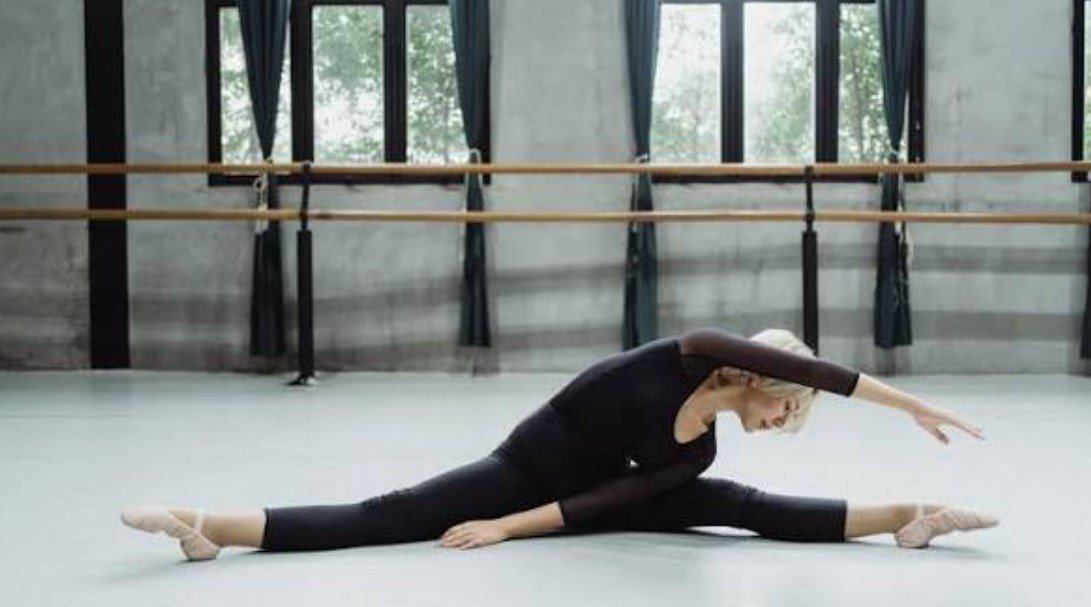

Dance demands a unique combination of strength, flexibility, balance, and control. Whether someone is training in ballet, hip-hop, contemporary, or any other style, the body must stay both powerful and fluid. One of the most effective ways to develop these qualities is by following well-structured Stretching Routines for Dancers that improve mobility while reducing the risk of injury.
A good stretching routine is not just about touching your toes or doing splits. It is about preparing the muscles, improving joint range, and building long-term performance capacity. Below is a complete guide to help dancers build flexibility and strength safely and effectively.
Why Stretching Matters for Dancers
Dancers place continuous stress on muscles, joints, and tendons. Without proper stretching, the body becomes tight, restricted, and more prone to injury.
Regular Stretching Routines for Dancers help to:
- Increase flexibility and range of motion
- Improve posture and alignment
- Enhance balance and coordination
- Reduce muscle stiffness after training
- Prevent injuries like strains and sprains
- Support better movement control and expression
Stretching is not optional in dance—it is part of the foundation of performance.
Dynamic Warm-Up Stretches (Before Dancing)
Dynamic stretching prepares the body for movement by activating muscles and increasing blood flow. These stretches should always be done before rehearsals or performances.
1. Leg Swings
Stand beside a wall for support and swing one leg forward and backward. This improves hip mobility and loosens hamstrings.
2. Arm Circles
Large and small arm circles warm up shoulders and upper back muscles, essential for lifts and expressive movements.
3. Walking Lunges
Step forward into a lunge, then alternate legs. This activates glutes, quads, and hip flexors.
4. Torso Twists
Gently rotate your upper body side to side to increase spinal flexibility.
These dynamic movements form the base of effective Stretching Routines for Dancers, helping the body transition into more intense activity.
Static Stretches (After Practice)
Static stretching is best done after dancing when muscles are warm. These stretches are held for 20–40 seconds each.
1. Hamstring Stretch
Sit on the floor and reach toward your toes. This improves leg extension and control.
2. Butterfly Stretch
Bring the soles of your feet together and gently press knees toward the floor. This opens the hips.
3. Quadriceps Stretch
Stand or lie on your side and pull one foot toward your glutes. This helps with jumping power and leg lines.
4. Shoulder Stretch
Pull one arm across your chest to release shoulder tension from arm movements and lifts.
Including static stretching in Stretching Routines for Dancers helps the body recover and grow more flexible over time.
Advanced Flexibility Exercises for Dancers
Once basic flexibility is built, dancers can progress to advanced stretches that support performance-level movement.
1. Splits Training
Practice front splits gradually using cushions or blocks for support. Never force the position.
2. Backbends (Bridge Pose)
Lie on your back and lift into a bridge. This strengthens the spine and opens the chest.
3. Oversplits (With Caution)
Only attempt once full splits are comfortable. Use controlled elevation to deepen stretch.
4. Pike Stretch
Sit with legs extended and fold forward to increase hamstring flexibility.
These exercises should always be part of safe and progressive Stretching Routines for Dancers to avoid injury.
Strength-Based Stretching for Stability
Flexibility alone is not enough for dancers. Strength ensures control and prevents overstretching injuries.
1. Plank Holds
Build core strength for balance and stability during turns and jumps.
2. Single-Leg Balance Stretch
Stand on one leg while gently extending the other. This improves coordination and ankle strength.
3. Resistance Band Work
Use bands to strengthen hips and legs while stretching through resistance.
4. Controlled Leg Lifts
Slowly lift and lower legs to build active flexibility.
Combining strength with flexibility makes Stretching Routines for Dancers more effective and performance-ready.
Breathing and Recovery Techniques
Breathing plays a key role in flexibility training. Deep breathing helps muscles relax and stretch further safely.
- Inhale deeply before entering a stretch
- Exhale slowly while holding the position
- Avoid holding breath during deep stretches
Adding mindfulness and breathing to Stretching Routines for Dancers improves both physical and mental focus.
Common Mistakes to Avoid
Many dancers risk injury by making simple mistakes:
- Skipping warm-up before stretching
- Forcing deep stretches too quickly
- Bouncing during static stretches
- Ignoring pain signals
- Not resting tight muscles
Proper technique is more important than intensity in any stretching routine.
Weekly Stretching Plan Example
A balanced weekly routine helps build consistent progress:
- Monday: Dynamic warm-up + lower body stretching
- Tuesday: Strength + core flexibility
- Wednesday: Rest or light stretching
- Thursday: Splits and hip flexibility training
- Friday: Full-body stretching session
- Saturday: Dance rehearsal + recovery stretching
- Sunday: Deep relaxation and breathing stretches
Following a schedule ensures Stretching Routines for Dancers become a habit rather than an occasional activity.
Final Thoughts
Flexibility is not built overnight. It comes from consistent practice, patience, and smart training. A well-designed stretching program helps dancers move with grace, reduce injuries, and perform with confidence.
By following structured Stretching Routines for Dancers, anyone can gradually improve both flexibility and strength while enhancing overall dance performance. The key is consistency, proper technique, and listening to the body’s limits.
