
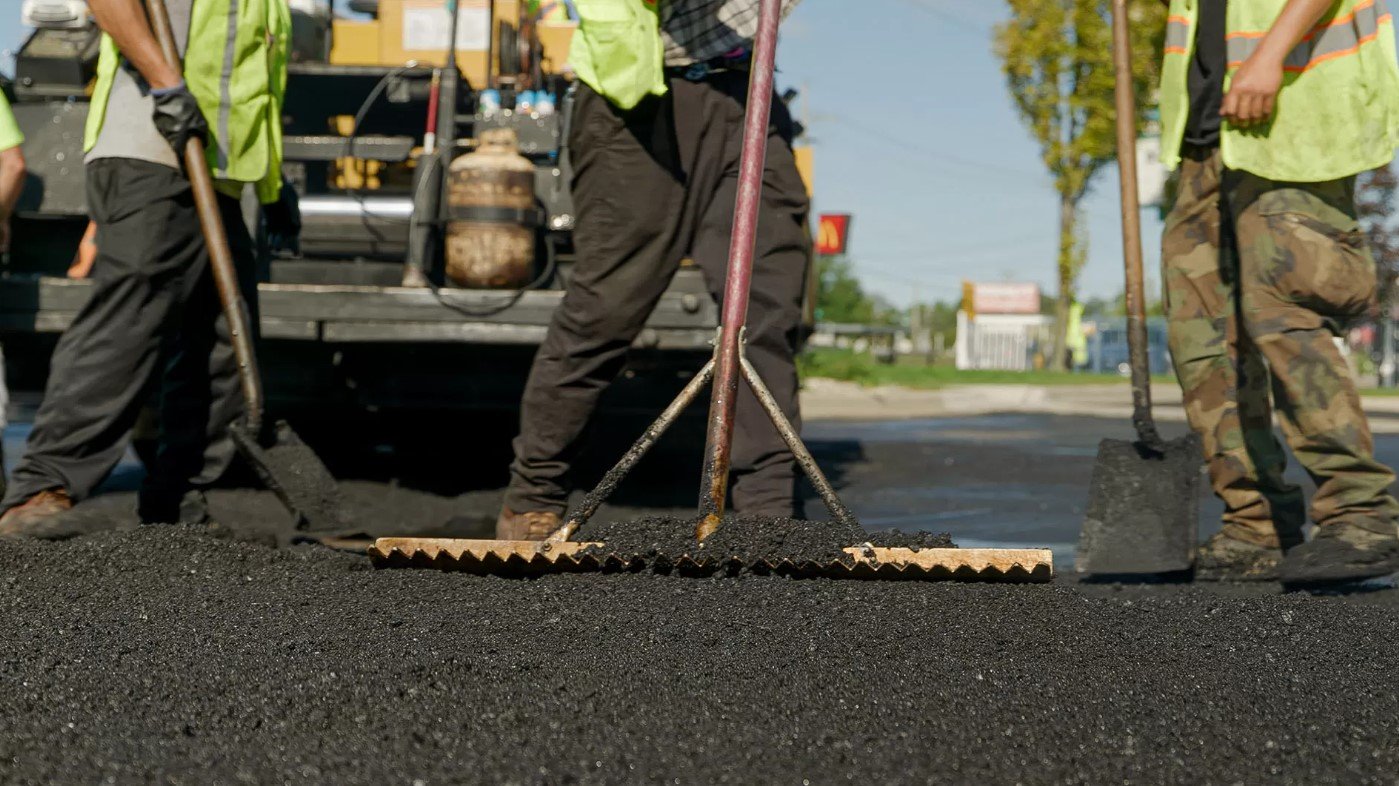

A well-maintained parking lot or driveway does more than provide access to a business. It creates a safer environment for customers, employees, delivery drivers, and visitors while also protecting the overall value of the property. Cracks, potholes, drainage problems, and surface deterioration can quickly turn a professional-looking commercial property into one that appears neglected. That is why timely Commercial asphalt repair is an important part of responsible property maintenance.
By addressing pavement problems before they become extensive, business owners can reduce safety risks, control maintenance expenses, improve curb appeal, and extend the useful life of their asphalt surfaces.
Why Asphalt Maintenance Matters for Businesses
Commercial properties typically experience much more traffic than residential driveways. Parking lots may receive hundreds of vehicles each day, while loading areas can experience repeated pressure from delivery trucks and heavy equipment. Constant traffic, weather changes, water infiltration, and aging materials can gradually weaken the pavement.
Small cracks may seem harmless at first, but water can enter through these openings and reach the layers beneath the asphalt. During repeated weather cycles, this moisture can contribute to further deterioration. Eventually, minor surface damage can develop into potholes, uneven pavement, and larger structural problems.
Regular inspections and professional repairs help business owners identify these issues early.
Preventing Expensive Pavement Damage
One of the biggest advantages of Commercial asphalt repair is its ability to prevent small problems from becoming major expenses. A narrow crack can often be repaired relatively quickly. If ignored, however, the crack may widen, allow water penetration, and contribute to damage across a much larger section of pavement.
The same principle applies to potholes. A small pothole can become deeper and wider as vehicles repeatedly drive over it. Repairing it early is generally more manageable than replacing a large damaged area later.
Preventive maintenance gives property owners an opportunity to address pavement deterioration before extensive reconstruction becomes necessary.
Improving Customer and Employee Safety
Damaged asphalt can create genuine hazards. Deep potholes, raised pavement, broken edges, and uneven surfaces may cause vehicles to lose control or pedestrians to trip. These risks are especially concerning around entrances, pedestrian walkways, parking spaces, and loading zones.
Professional Commercial asphalt repair helps restore smoother, more predictable surfaces. Repairing damaged areas can reduce potential accident hazards and make it easier for drivers and pedestrians to navigate the property.
Businesses should pay particular attention to high-traffic areas where pavement defects are more likely to affect customers and employees.
Protecting Your Property’s Appearance
The condition of a parking lot can influence how customers perceive a business. A clean building surrounded by cracked or pothole-filled pavement may give visitors the impression that the property is poorly maintained.
Freshly repaired asphalt creates a cleaner and more organized appearance. Combined with proper striping, drainage, landscaping, and routine cleaning, quality pavement maintenance can significantly improve curb appeal.
For businesses that depend on customer visits, maintaining the exterior environment can be an important part of creating a positive first impression.
Supporting Long-Term Asphalt Performance
Asphalt is designed to withstand regular traffic, but it still requires maintenance to perform effectively. Repairs can help preserve the pavement structure by preventing moisture and other damaging factors from reaching deeper layers.
Common commercial asphalt maintenance services may include crack filling, pothole repair, patching, surface treatments, and localized reconstruction. The appropriate solution depends on the severity and cause of the damage.
A professional contractor can evaluate the pavement and determine whether a minor repair is sufficient or whether a more extensive treatment is needed.
Reducing Water-Related Problems
Water is one of the most significant threats to asphalt pavement. When drainage is poor, standing water can remain on the surface and gradually weaken the pavement. Existing cracks can make the problem worse by allowing moisture to move below the surface.
Effective Commercial asphalt repair should therefore address both visible damage and contributing conditions. If drainage issues are left unresolved, repaired sections may deteriorate again sooner than expected.
Keeping pavement properly graded and maintaining drainage systems can help direct water away from vulnerable areas.
Helping Businesses Manage Maintenance Costs
Property maintenance budgets are rarely unlimited. Businesses need to prioritize improvements that protect their facilities without creating unnecessary expenses.
Routine asphalt inspections and timely repairs can make maintenance spending more predictable. Instead of waiting for severe pavement failure and facing a large replacement project, property owners can address deterioration in manageable stages.
A planned maintenance strategy may include periodic inspections, crack repair, pothole patching, sealcoating when appropriate, and pavement resurfacing when the surface has reached a more advanced stage of deterioration.
Choosing the Right Repair Approach
Not every asphalt problem requires the same solution. Surface cracks, potholes, edge deterioration, and structural failures have different causes and repair requirements.
A professional assessment should consider traffic levels, pavement age, drainage, existing damage, and the condition of the underlying materials. Minor surface problems may require localized repairs, while widespread deterioration could indicate the need for resurfacing or reconstruction.
Choosing the correct method helps prevent temporary fixes from becoming recurring problems.
Create a Proactive Asphalt Maintenance Plan
The best time to address pavement problems is before they interfere with normal business operations. Property owners can establish a maintenance schedule that includes regular inspections and prompt attention to newly developing damage.
After major repairs, businesses should continue monitoring the pavement for new cracks, drainage issues, potholes, or areas showing unusual wear. Keeping records of repairs can also help property managers plan future maintenance and budget more effectively.
Conclusion
Your parking lot, driveway, and other paved areas are important parts of your commercial property. Keeping them in good condition can improve safety, appearance, accessibility, and long-term property value. More importantly, early maintenance can help prevent relatively small pavement defects from developing into costly structural problems.
Investing in Commercial asphalt repair is therefore more than a cosmetic improvement. It is a practical property-protection strategy that helps businesses maintain safer surfaces, control maintenance costs, and provide a better experience for everyone who visits the property. With regular inspections, timely repairs, and a proactive maintenance plan, commercial asphalt can remain functional and attractive for many years.
