
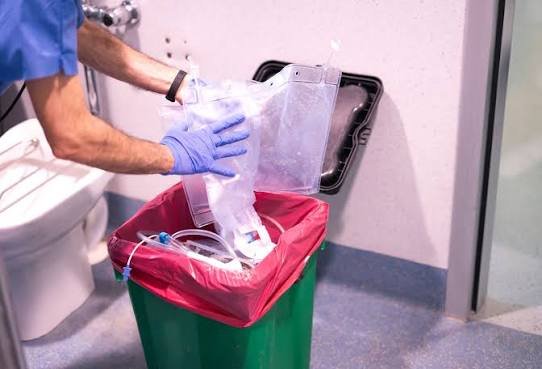

Healthcare facilities play an essential role in protecting communities, treating illnesses, and improving overall public health. Hospitals, dental clinics, laboratories, and other medical institutions must maintain clean and organized environments to support patients and healthcare professionals. While much attention is given to medical equipment and patient care, the systems operating behind the scenes are equally important.
One area that deserves particular attention is the proper handling of materials generated during everyday healthcare activities. From used protective equipment to contaminated supplies, healthcare environments produce different types of materials that require careful management. Establishing reliable procedures helps reduce workplace risks and supports a safer environment for everyone.
Understanding the Responsibilities of Healthcare Facilities
Running a healthcare facility involves more than providing medical treatment. Administrators must coordinate staff, maintain equipment, follow safety regulations, and establish effective cleaning procedures. Every department contributes to maintaining a professional and hygienic environment.
Employees should understand their responsibilities and receive appropriate training for handling potentially hazardous materials. Clear instructions help prevent confusion and encourage consistent practices throughout the organization.
Proper planning also makes daily operations more efficient. When healthcare workers know where materials should be placed and how they should be handled, unnecessary exposure and workplace accidents can be reduced.
Why Proper Disposal Procedures Matter
Different healthcare activities generate materials that cannot be treated like ordinary household rubbish. Some items may contain infectious substances, sharp objects, chemicals, or pharmaceutical residues.
Effective medical waste management helps healthcare organizations control these materials through appropriate segregation, collection, storage, transportation, and final treatment. Each stage requires attention because mistakes can create risks for healthcare workers, patients, cleaning personnel, and the surrounding community.
For example, used needles and other sharp instruments must be placed in approved puncture-resistant containers. Infectious materials should be separated from general waste according to applicable healthcare guidelines. These precautions help prevent accidental injuries and unnecessary exposure.
Establishing a Reliable Waste Segregation System
Segregation is one of the most important parts of responsible healthcare facility management. Materials should be separated at the point where they are generated rather than mixed together and sorted later.
Hospitals and clinics can establish clearly labeled containers in treatment rooms, laboratories, operating areas, and other relevant locations. Color-coded systems may also be used, depending on local regulations.
Staff members should understand which materials belong in each container. Regular training and visible instructions can make the process easier to follow.
A well-organized system also helps reduce disposal costs. When ordinary materials are kept separate from regulated hazardous materials, healthcare facilities can avoid treating everything as potentially dangerous. Searching for Lynchburg medical waste disposal, call 1st Choice MedWaste.
Protecting Healthcare Workers and Cleaning Personnel
Healthcare workers are not the only people who may come into contact with potentially hazardous materials. Cleaning staff, transportation workers, maintenance employees, and external disposal contractors may also face risks.
Providing appropriate protective equipment is an important safety measure. Depending on the task, workers may need gloves, protective clothing, eye protection, or other suitable equipment.
Facilities should also maintain procedures for accidental spills, needle injuries, and other unexpected incidents. Employees need to know whom to contact and what immediate steps to follow when an incident occurs.
Regular safety meetings can reinforce good practices and encourage workers to report problems without hesitation.
Maintaining Clean and Organized Healthcare Facilities
Clean surroundings contribute to patient confidence and help healthcare professionals perform their duties more effectively. Storage areas should remain organized, collection containers should not become overfilled, and designated handling areas should receive appropriate attention.
Healthcare administrators can introduce inspection schedules to identify problems before they become serious. These inspections may include checking container conditions, reviewing collection records, and confirming that staff members follow established procedures.
Professional waste management providers can also support healthcare organizations by offering appropriate collection, transportation, treatment, and disposal services. Before selecting a provider, facilities should verify licensing, regulatory compliance, service reliability, and documentation practices.
Supporting Environmental Responsibility
Healthcare organizations have a responsibility to protect both human health and the environment. Improper disposal can contribute to soil contamination, water pollution, and other environmental problems.
Responsible management includes following local disposal regulations, reducing unnecessary material consumption, and identifying items that can safely be recycled when permitted.
However, potentially infectious or hazardous materials must never be placed into ordinary recycling streams without proper assessment and authorization. Safety should always remain the priority.
Creating a Long-Term Safety Culture
A successful healthcare facility depends on consistent teamwork. Administrators, doctors, nurses, laboratory technicians, and cleaning personnel all contribute to maintaining safe working conditions.
Clear procedures, regular education, reliable service providers, and routine inspections create a stronger foundation for responsible facility management.
By treating cleanliness and proper disposal as essential parts of daily operations, healthcare organizations can protect their employees, support patient well-being, and contribute to healthier communities.
