
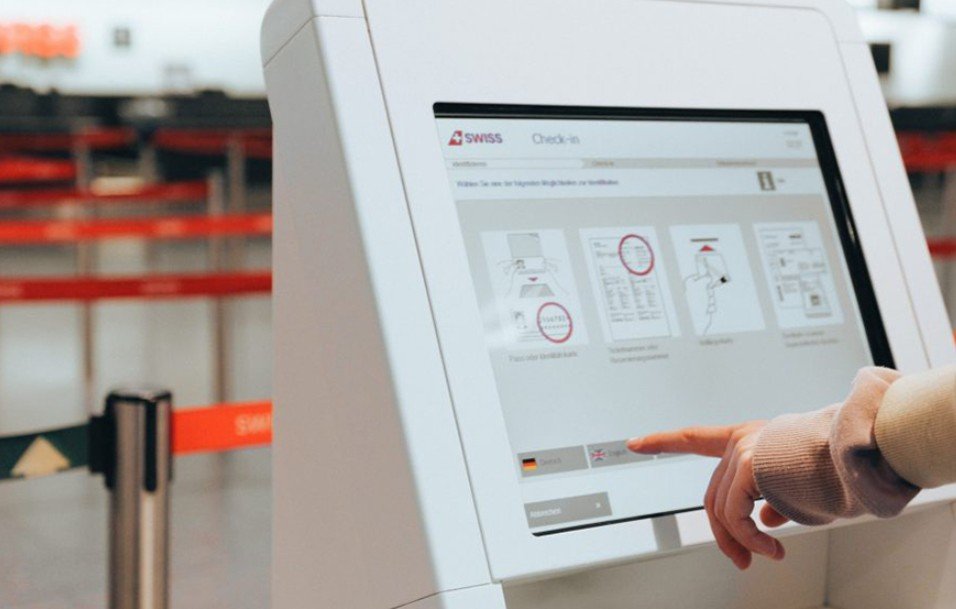

Retail environments are changing rapidly as customer expectations shift toward faster, smoother, and more convenient shopping experiences. Shoppers no longer want to wait in long billing queues, especially during peak hours. They prefer quick checkout options that allow them to complete purchases independently. This transformation has made self-service automation an essential part of modern retail strategy, and at the center of this evolution is a reliable kiosk company that specializes in retail self-checkout systems.
Retail self-checkout kiosks are not just machines; they are intelligent systems designed to streamline operations, reduce labor pressure, and enhance customer satisfaction. As competition in the retail sector grows, businesses are increasingly adopting kiosk-based solutions to improve efficiency and stay ahead.
The Rise of Self-Checkout in Retail
Retail has always been driven by customer experience. However, traditional checkout counters often create bottlenecks, especially in supermarkets, shopping malls, and convenience stores. Long queues can negatively affect customer satisfaction and even lead to lost sales opportunities.
A modern kiosk company addresses this challenge by providing advanced self-checkout systems that allow customers to scan, pay, and complete transactions independently. These kiosks are equipped with barcode scanners, touchscreens, payment modules, and receipt printers, creating a seamless checkout experience.
This shift toward automation not only improves customer flow but also helps retailers optimize staff allocation and reduce operational costs.
How Retail Self-Checkout Kiosks Improve Efficiency
Self-checkout kiosks bring multiple advantages to retail businesses. One of the most significant benefits is speed. Customers can complete transactions much faster compared to traditional cashier counters. This reduces congestion during busy hours and improves overall store efficiency.
Another key advantage is reduced dependency on human cashiers. While staff are still important for customer assistance and store management, kiosks handle routine transactions, allowing employees to focus on higher-value tasks such as customer service and inventory control.
Retail kiosks also minimize human error in billing and change calculation. Automated systems ensure accurate pricing and consistent transaction processing, improving trust between customers and retailers.
Enhancing Customer Experience Through Technology
Customer experience is the foundation of retail success. Self-checkout kiosks provide a modern and convenient way for shoppers to complete purchases without waiting in line. The intuitive touchscreen interface makes it easy for users of all ages to operate the system.
Many kiosks also support multiple payment options, including credit cards, mobile wallets, and contactless payments. This flexibility enhances convenience and matches the expectations of today’s digital consumers.
Additionally, some advanced systems include loyalty program integration, allowing customers to earn rewards, apply discounts, or access personalized offers directly at the kiosk.
The Role of a Trusted Kiosk Company
Choosing the right kiosk company is essential for retailers who want reliable and scalable self-checkout solutions. A trusted manufacturer not only provides hardware but also delivers complete system integration, including software development, customization, and technical support.
A strong kiosk provider understands the unique requirements of retail environments, such as high transaction volumes, durability, and user-friendly design. These systems must operate continuously without performance issues, especially in busy commercial spaces.
Leading manufacturers like Hongzhou Smart specialize in designing and producing high-quality self-service kiosks tailored for retail applications. With over 20 years of experience, they have delivered more than 450,000 units across 90+ countries, making them a global leader in the industry.
Custom Hardware Development for Retail Needs
Every retail business has different requirements. A small convenience store may need a compact checkout system, while a large supermarket may require multiple integrated kiosks with advanced scanning and payment capabilities.
A professional kiosk company offers ODM and OEM customization to meet these diverse needs. This includes adjusting screen sizes, integrating specific payment systems, customizing software interfaces, and designing branded kiosk enclosures.
Custom hardware development ensures that each kiosk fits perfectly into the retail environment while maintaining operational efficiency and brand identity.
Technology Behind Modern Self-Checkout Systems
Retail kiosks rely on a combination of advanced technologies to function effectively. High-resolution touchscreens provide an easy interface for customers. Barcode scanners ensure fast product recognition, while integrated payment systems enable secure transactions.
Cloud connectivity allows retailers to monitor sales data in real time, track inventory, and manage multiple kiosks across different locations. Artificial intelligence is also being introduced to improve product recognition, prevent fraud, and enhance user experience.
These technologies work together to create a smart retail ecosystem that is efficient, scalable, and customer-friendly.
Reliability and Manufacturing Excellence
A trusted kiosk company must prioritize durability and quality. Retail environments involve continuous usage, so kiosks must be built with strong materials and reliable components.
Manufacturers like Hongzhou Smart operate advanced production facilities equipped with precision electronics manufacturing, sheet metal fabrication, and rigorous testing systems. Their certifications, including ISO and UL standards, ensure that every product meets international safety and performance requirements.
This level of manufacturing excellence guarantees that kiosks can withstand heavy usage in demanding retail environments.
Expanding Applications in Retail Industry
Self-checkout kiosks are no longer limited to supermarkets. They are now widely used in various retail sectors, including fashion stores, electronics shops, pharmacies, and convenience stores.
Retailers also use kiosks for product information, digital advertising, loyalty program registration, and customer feedback collection. This expands the role of kiosks beyond checkout systems and turns them into multifunctional retail tools.
The Future of Retail Automation
The future of retail is closely connected to automation and digital transformation. Self-checkout kiosks will continue to evolve with features such as AI-powered assistance, facial recognition payments, and voice-guided navigation.
Retailers are also expected to integrate kiosks with mobile apps and cloud platforms for a more connected shopping experience. This will allow customers to browse, order, and pay seamlessly across multiple channels.
As technology advances, kiosks will become smarter, faster, and more personalized, further enhancing the retail experience.
Conclusion
Retail businesses are rapidly adopting automation to meet changing customer expectations, and self-checkout systems are at the heart of this transformation. A reliable kiosk company plays a crucial role in delivering high-quality, customizable, and efficient solutions that improve both operational performance and customer satisfaction.
Companies like Hongzhou Smart demonstrate how expertise in engineering, global manufacturing, and system integration can support the retail industry’s digital evolution. By offering advanced self-checkout kiosks, they help retailers reduce costs, improve service speed, and deliver a better shopping experience.
As retail continues to evolve, smart kiosk solutions will remain a key driver of innovation, shaping the future of how people shop and interact with stores worldwide.
