
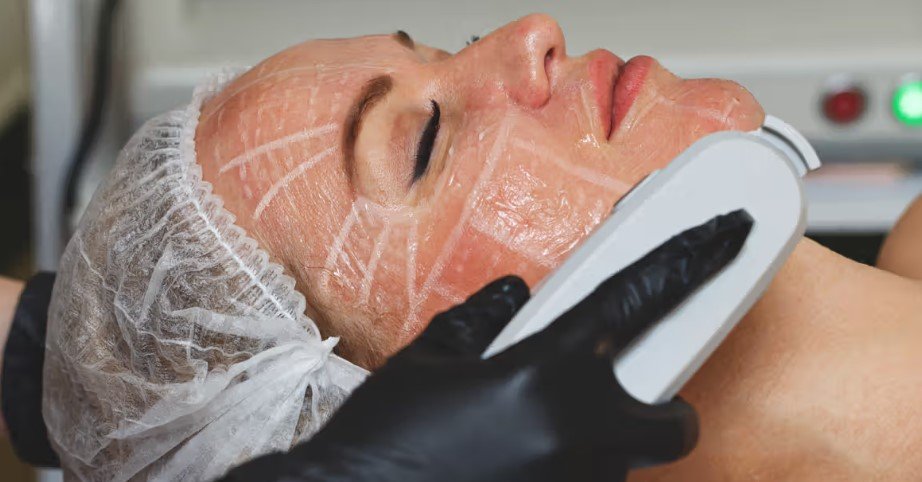

The promise of a chiselled jawline without surgery sounds almost too good to be true. Yet hifu face fat reduction has quietly become one of the most sought-after treatments in aesthetic clinics across Australia. Many people stumble upon HIFU whilst researching surgical options. They discover they might not need surgery at all. The technology isn’t entirely new—it’s been used in medical applications for decades. Its adaptation for facial contouring represents a fascinating shift in how we approach aesthetic enhancement.
How It Actually Works
HIFU doesn’t just melt fat and call it a day. The ultrasound energy reaches depths that topical treatments can’t touch. It specifically targets the SMAS layer—the same tissue surgeons manipulate during facelifts. When the focused energy hits fat cells at these depths, it disrupts their structural integrity. Your body then does what it does best. It recognises these damaged cells as waste and gradually flushes them out through the lymphatic system. This process takes weeks, which explains why results aren’t immediate.
Why Surgery Isn’t Everyone’s Answer
There’s an assumption that people avoid surgery purely because of fear or cost. The reality is more nuanced. Some individuals simply aren’t candidates for invasive procedures due to medical conditions. Others take medications that affect healing. Some have had previous surgeries and want to avoid additional trauma to already-treated tissue. Hifu face fat reduction fills a genuine gap for these situations. This treatment won’t replicate the dramatic transformation of surgery. That’s precisely why some prefer it. The changes are significant enough to notice yet subtle enough that colleagues won’t immediately ask if you’ve “had work done.”
The Double Chin Dilemma
Submental fullness—that’s the clinical term for a double chin—can persist regardless of body weight. You’ve probably seen lean individuals with undefined jawlines. Even significant weight loss doesn’t always eliminate that pocket of fat beneath the chin. This happens because fat distribution is largely genetic. Facial fat deposits are notoriously stubborn. Traditional HIFU treatments work here, but practitioners often combine different depths and intensities in the same session. This addresses both superficial and deeper fat layers simultaneously.
What “Natural” Really Means
When clinics advertise natural-looking results, they’re often dancing around an important truth. HIFU won’t give you someone else’s face. It enhances your existing bone structure by removing the soft tissue that obscures it. Think of it like clearing fog from a window rather than installing a new window altogether. The collagen remodelling that occurs over several months post-treatment adds another dimension. Your skin literally reorganises itself to better conform to your newly contoured face. This delayed tightening effect catches many people by surprise because they expect the fat reduction to be the end of the story.
The Tightening Nobody Mentions
Loose skin is the elephant in the room when discussing fat reduction. Remove volume from any area and you risk creating sagging where firmness once existed. HIFU sidesteps this trap because the thermal effect on collagen fibres causes them to contract immediately. They then regenerate over time. What’s rarely discussed is that this tightening can sometimes produce better results than the fat reduction itself. This particularly applies to individuals whose primary concern is skin laxity rather than excess volume.
Discomfort Reality Check
“Minimal discomfort” is aesthetic industry speak that deserves translation. Most people experience a deep warming sensation that borders on uncomfortable. This particularly occurs when energy is delivered near bone. The jawline and brow bone areas tend to be more sensitive. Some describe it as tiny electric pulses. Others compare it to someone snapping a rubber band against your skin repeatedly. It’s tolerable, certainly. Pretending it’s completely painless does nobody any favours. The session passes quickly enough that most manage without numbing cream.
Maintenance Truths
Here’s what sets realistic expectations apart from marketing fluff. Destroyed fat cells don’t return. Remaining cells can still enlarge if you gain weight. Your face will always be slimmer than it would have been without treatment. Significant weight fluctuations will affect your results. Additionally, ageing doesn’t stop. The collagen boost is real and beneficial. It doesn’t permanently halt the natural ageing process. Many people return for touch-up sessions every couple of years. Not because the treatment failed. They want to maintain their refreshed appearance as they continue ageing.
Conclusion
Hifu face fat reduction works best when expectations align with reality. It’s neither a miracle cure nor a surgical replacement. Rather, it’s a legitimate option for specific concerns. The treatment suits individuals with mild to moderate facial fat deposits and reasonable skin elasticity. Those who want improvement without dramatic alteration find it appealing. Understanding that results develop gradually helps ensure satisfaction. Individual anatomy significantly influences outcomes. When approached with informed expectations, HIFU offers a practical pathway to facial refinement that respects both your features and your lifestyle.
