
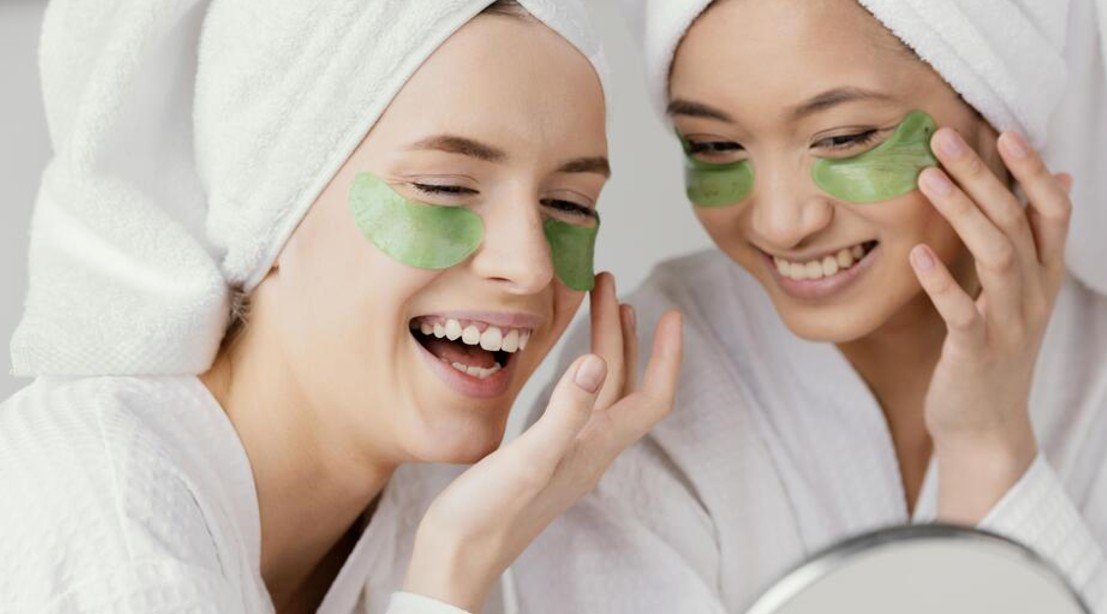

Healthy skin doesn’t always require expensive creams, complicated routines, or chemical-heavy products. In many cases, simple natural ingredients found in your kitchen or garden can deliver noticeable improvements when used consistently and correctly. While skincare trends keep changing, natural remedies have stayed relevant for centuries because they are gentle, affordable, and often surprisingly effective when matched to the right skin concern.
This article explores natural skincare remedies that actually work, how they help different skin types, and how you can safely include them in your daily routine.
Table of Contents
Toggle1. Aloe Vera for Soothing and Healing
Aloe vera is one of the most trusted natural skincare ingredients. Its gel contains vitamins, enzymes, and anti-inflammatory compounds that help calm irritated skin and support healing.
It works especially well for:
- Sunburn relief
- Acne inflammation
- Minor cuts or redness
- Dry, flaky skin
Fresh aloe vera gel applied directly to the skin creates a cooling effect and helps restore moisture without clogging pores. For best results, use it at night as a light moisturizer or spot treatment.
2. Honey for Deep Hydration and Acne Control
Honey is a natural humectant, meaning it draws moisture into the skin and locks it in. It also has antibacterial properties, making it effective for acne-prone skin.
How it helps:
- Hydrates dry skin naturally
- Fights acne-causing bacteria
- Reduces redness and irritation
- Gives skin a soft, glowing texture
Raw honey can be used as a face mask by applying a thin layer for 10–15 minutes before rinsing with lukewarm water. Consistent use improves skin smoothness and brightness.
3. Turmeric for Bright and Even Skin Tone
Turmeric has been used in traditional skincare for centuries due to its powerful anti-inflammatory and antioxidant properties. It helps reduce pigmentation, acne scars, and dullness.
Benefits include:
- Reducing dark spots
- Evening out skin tone
- Fighting acne bacteria
- Enhancing natural glow
A simple turmeric face mask can be made using turmeric powder, yogurt, and a few drops of honey. However, it should be used in moderation, as excessive use may temporarily stain the skin.
4. Coconut Oil for Deep Moisturization
Coconut oil is rich in fatty acids that nourish and repair dry skin. It is especially useful for people with extremely dry or flaky skin conditions.
Key uses:
- Night-time moisturizer
- Makeup remover
- Lip balm alternative
- Dry elbow and heel treatment
However, it is not suitable for oily or acne-prone skin, as it may clog pores in some individuals. Patch testing is always recommended.
5. Green Tea for Anti-Aging and Acne Prevention
Green tea is packed with antioxidants, especially catechins, which help fight skin damage caused by pollution and sun exposure.
It helps:
- Reduce acne inflammation
- Slow down signs of aging
- Protect skin from environmental stress
- Reduce oil production
Cooled green tea can be used as a facial toner or applied with cotton pads. Regular use helps refresh and tighten the skin naturally.
6. Oatmeal for Gentle Exfoliation and Skin Relief
Oatmeal is a gentle, natural exfoliant that works well for sensitive skin. It removes dead skin cells without causing irritation.
Benefits:
- Soothes itching and irritation
- Helps with eczema-prone skin
- Gently exfoliates dead skin
- Improves skin texture
A simple oatmeal mask can be made by mixing ground oats with water or milk and applying it for 10–15 minutes. It leaves the skin soft and calm.
7. Cucumber for Cooling and Hydration
Cucumber is made up of mostly water, making it an excellent natural hydrator. It also contains vitamins and antioxidants that help refresh tired skin.
It is commonly used for:
- Reducing puffiness under eyes
- Cooling irritated skin
- Hydrating dry areas
- Refreshing dull complexion
Cucumber slices placed on the eyes can reduce swelling, while cucumber juice can be used as a mild toner.
8. Lemon Juice for Brightening (Use Carefully)
Lemon juice contains vitamin C and natural acids that help brighten the skin and reduce dark spots. However, it must be used carefully due to its high acidity.
It may help with:
- Lightening pigmentation
- Reducing blackheads
- Improving skin brightness
Always dilute lemon juice with water or mix it with honey before applying. Avoid sun exposure immediately after use, as it can make skin sensitive.
9. Yogurt for Natural Glow and Softness
Yogurt contains lactic acid, which gently exfoliates the skin and promotes a smoother texture.
Benefits include:
- Light exfoliation
- Brightening dull skin
- Reducing tan appearance
- Hydrating skin naturally
Applying plain yogurt as a mask for 10–15 minutes can improve softness and give the skin a natural glow.
10. Rose Water for Daily Skin Refreshing
Rose water is one of the simplest and most effective natural toners. It helps balance the skin’s pH and refresh tired skin instantly.
It is useful for:
- Daily toning
- Reducing redness
- Hydrating skin lightly
- Refreshing face during hot weather
It can be sprayed directly on the face or applied with cotton pads throughout the day.
Final Thoughts
Natural skincare remedies are not magic solutions, but when used consistently and correctly, they can significantly improve skin health over time. The key is understanding your skin type and choosing ingredients that suit your specific needs.
Aloe vera, honey, turmeric, and green tea are among the most effective natural options because they target multiple skin concerns at once—hydration, acne control, and overall skin balance.
Instead of relying only on chemical-based products, combining natural remedies with a basic skincare routine can help you achieve healthier, clearer, and more radiant skin in a safe and sustainable way.
