
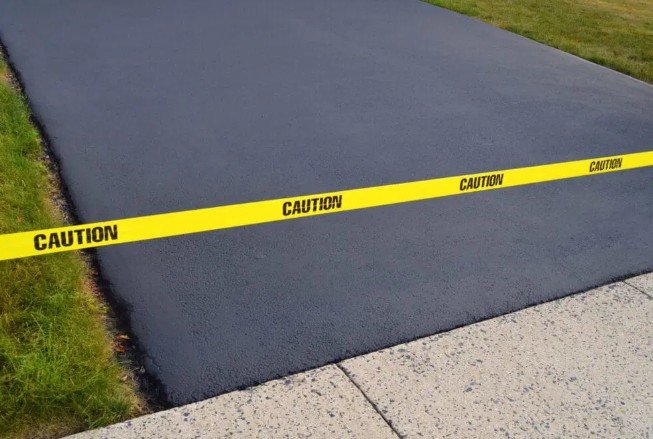

A well-maintained driveway improves your home’s appearance while providing a safe and durable surface for vehicles and foot traffic. Over time, however, driveways are exposed to sunlight, rain, snow, chemicals, and daily wear that gradually weaken the pavement. One of the most effective ways to protect asphalt surfaces is driveway sealcoating. This preventive maintenance process creates a protective barrier that extends the life of your driveway and keeps it looking fresh for years.
Whether you’re a homeowner considering sealcoating for the first time or looking to maintain an existing asphalt driveway, understanding the benefits, process, and maintenance schedule can help you make the right decision.
Table of Contents
ToggleWhat Is Driveway Sealcoating?
Driveway sealcoating is the application of a protective coating over an asphalt driveway. The sealcoat shields the surface from harmful elements such as UV rays, water penetration, motor oil, gasoline, and oxidation.
Unlike asphalt resurfacing or replacement, sealcoating does not repair structural damage. Instead, it acts as preventative maintenance that preserves the integrity of the existing pavement and slows down the aging process.
A professionally applied sealcoat restores the rich black appearance of asphalt while reducing the likelihood of cracks and deterioration.
Benefits of Driveway Sealcoating
Extends Pavement Life
Sealcoating protects asphalt from oxidation, which causes the binder in the pavement to dry out and become brittle. Regular applications can significantly increase the lifespan of your driveway.
Prevents Water Damage
Water is one of asphalt’s biggest enemies. Moisture that enters small cracks can freeze, expand, and cause larger cracks or potholes. Sealcoating helps prevent water from penetrating the surface.
Protects Against UV Rays
Constant exposure to sunlight causes asphalt to fade and weaken over time. A sealcoat blocks harmful ultraviolet rays, helping preserve the flexibility and strength of the pavement.
Improves Curb Appeal
A freshly sealed driveway has a clean, dark finish that instantly enhances the appearance of your property. This can increase your home’s curb appeal and even add value when selling.
Resists Oil and Chemical Spills
Vehicles often leak oil, gasoline, antifreeze, or other automotive fluids. Sealcoating creates a protective layer that minimizes damage from these chemicals.
Saves Money
Routine maintenance costs far less than repairing or replacing a damaged driveway. Investing in sealcoating every few years can prevent expensive repairs down the road.
When Should You Sealcoat Your Driveway?
New asphalt driveways should generally cure for about six to twelve months before the first sealcoat is applied. After that, most professionals recommend sealcoating every two to three years, depending on:
- Climate conditions
- Traffic volume
- Sun exposure
- Drainage
- Overall pavement condition
If your driveway has turned gray, shows minor surface wear, or has lost its smooth finish, it may be time for another application.
The Driveway Sealcoating Process
Professional driveway sealcoating involves several important steps to ensure long-lasting results.
1. Cleaning the Surface
The driveway is thoroughly cleaned to remove dirt, leaves, oil stains, and debris. Pressure washing or mechanical blowers may be used for a spotless surface.
2. Crack Filling
Visible cracks are filled with specialized crack filler to prevent water infiltration before the sealcoat is applied.
3. Edge Preparation
Grass, weeds, and vegetation growing along the driveway edges are trimmed or removed to create clean application lines.
4. Applying the Sealcoat
The sealcoat is evenly applied using brushes, squeegees, or spray equipment. Professionals ensure consistent coverage across the entire surface.
5. Drying and Curing
Most driveways require 24 to 48 hours before vehicles can drive on the surface. Drying time depends on weather conditions, humidity, and product type.
Best Time of Year for Driveway Sealcoating
Warm, dry weather provides ideal conditions for sealcoating. Most contractors recommend scheduling the service during late spring, summer, or early fall when temperatures remain above 50°F (10°C).
Avoid applying sealcoat if rain is expected within 24 hours or when temperatures are too cold, as the product may not cure properly.
DIY vs. Professional Driveway Sealcoating
Many homeowners consider purchasing sealcoating products from home improvement stores. While DIY kits are available, professional application usually delivers superior results.
DIY Advantages
- Lower upfront cost
- Suitable for very small driveways
- Flexible scheduling
Professional Advantages
- Commercial-grade materials
- Proper crack repair
- Even application
- Longer-lasting protection
- Faster completion
- Professional equipment
For larger driveways or surfaces with existing damage, hiring experienced professionals often provides better value in the long run.
Common Mistakes to Avoid
To maximize the effectiveness of driveway sealcoating, avoid these common errors:
- Applying sealcoat to dirty pavement
- Ignoring existing cracks
- Applying coats too thick
- Sealcoating too frequently
- Driving on the surface before it fully cures
- Applying during rainy or cold weather
Proper preparation and timing are essential for a durable finish.
How to Maintain a Sealed Driveway
After sealcoating, simple maintenance can help preserve your investment.
- Sweep debris regularly.
- Clean oil spills promptly.
- Avoid sharp objects that may damage the surface.
- Repair new cracks early.
- Keep drainage areas clear.
- Schedule periodic inspections.
These simple habits help keep your driveway in excellent condition between sealcoating applications.
Signs Your Driveway Needs Sealcoating
Watch for these indicators that your driveway may need attention:
- Gray or faded asphalt
- Small surface cracks
- Rough texture
- Water soaking into the pavement
- Minor surface erosion
- Loss of the original black finish
Addressing these signs early helps prevent larger structural issues.
Choosing the Right Driveway Sealcoating Contractor
If you hire a professional, consider the following:
- Verify licensing and insurance.
- Read customer reviews.
- Request a written estimate.
- Ask about materials used.
- Confirm warranty coverage.
- Review previous projects.
A reputable contractor will explain the process, answer your questions, and recommend the best maintenance schedule for your property.
Conclusion
Driveway sealcoating is one of the smartest investments homeowners can make to protect their asphalt pavement. It provides a durable barrier against water, sunlight, chemicals, and everyday wear while restoring a fresh, attractive appearance. Regular sealcoating extends the life of your driveway, reduces repair costs, and enhances your home’s curb appeal.
Whether you choose professional services or tackle a small project yourself, maintaining your asphalt driveway with routine sealcoating ensures long-lasting performance and helps protect your investment for many years to come.
