
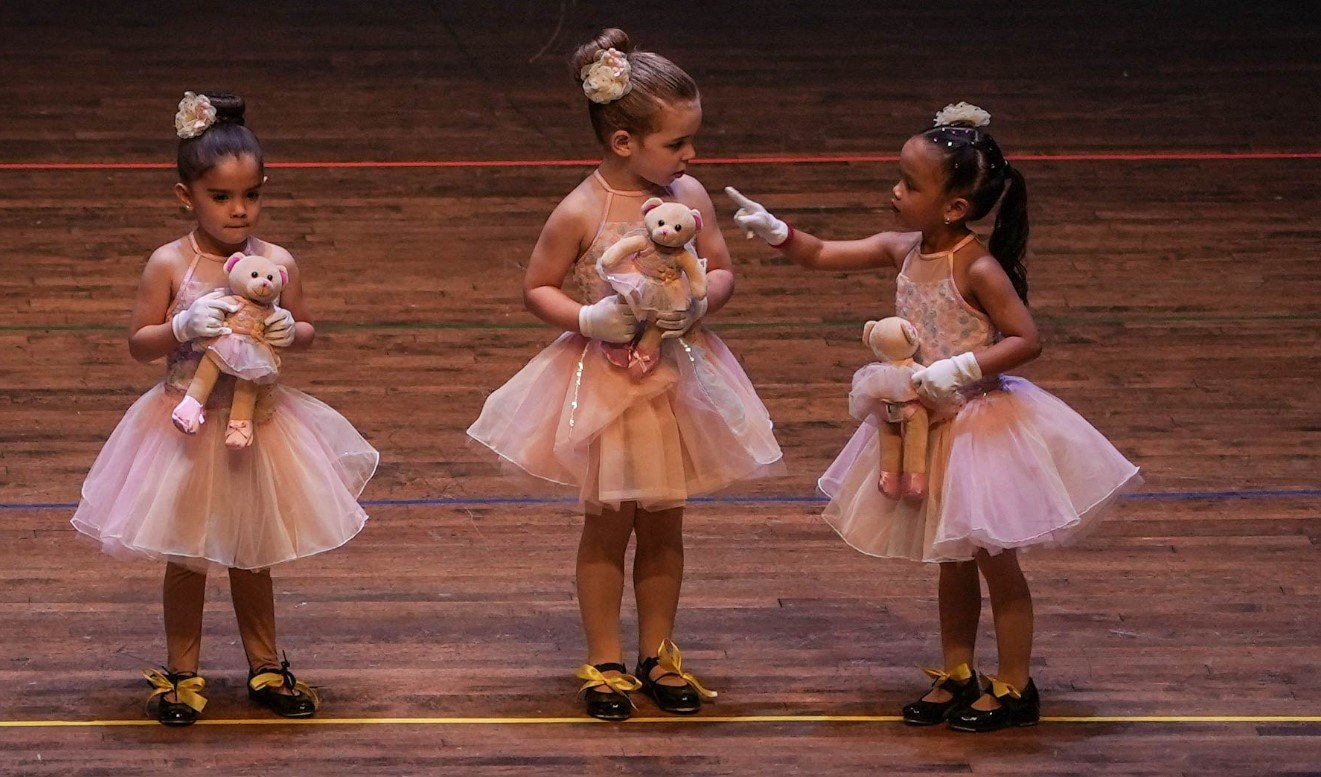

Tap dancing is more than just a fun activity; it’s an art form that combines rhythm, coordination, and self-expression. For children, learning tap dance offers a unique opportunity to develop both physically and mentally while enjoying the thrill of movement. Why tap dance classes is great for young dancers is a question many parents ask, and the answer lies in the combination of creativity, discipline, and social growth that tap dance encourages.
The Physical Benefits of Tap Dance
One of the primary reasons why tap dance classes is great for young dancers is because of the physical development it promote. Tap dancing requires the use of the entire body, particularly the legs and core, helping children build strength and stamina. Each step involves precise footwork, which improves balance, flexibility, and coordination.
Unlike some other forms of exercise, tap dance also enhances rhythm and timing. The repetitive movements and patterns train children to listen closely to music and develop a sense of musicality that is crucial not only in dance but in other activities like sports and team events.
Improving Coordination and Motor Skills
Young dancers benefit significantly from the intricate movements involved in tap dance. Coordinating hands, feet, and sometimes even props, tap dance enhances fine and gross motor skills simultaneously. For children who are still developing these essential skills, why tap dance classes is great for young dancers becomes evident in how quickly they gain confidence in their physical abilities.
Moreover, mastering sequences of steps helps children with memory retention and focus. They learn to follow instructions carefully and anticipate the next move, which can translate into improved performance in academics and other structured activities.
Mental and Emotional Advantages
Tap dance isn’t just about moving to a beat; it’s also a form of self-expression. Young dancers gain emotional benefits that are often overlooked. Participating in tap classes can boost self-esteem as children learn new skills and see their progress. The sense of accomplishment from mastering a routine, even a simple one, fosters resilience and encourages a growth mindset.
Why tap dance classes is great for young dancers also relates to stress relief. Movement, music, and creative expression work together to help children release pent-up energy and emotions in a positive, structured environment. Dance provides a healthy outlet for emotional expression, allowing kids to navigate their feelings while building social connections with peers.
Social Growth and Teamwork
Tap dance classes often involve group routines, performances, and collaborative exercises. These experiences teach children the importance of teamwork, cooperation, and communication. By interacting with peers in a structured yet fun setting, children develop social skills that will benefit them throughout life.
Additionally, performing in front of an audience, whether in a recital or a casual showcase, helps young dancers overcome shyness and develop stage confidence. Parents often notice that children who participate in tap dance classes become more poised and self-assured in social situations.
How Parents Can Support Young Dancers
For parents wondering why tap dance classes is great for young dancers, the key is understanding how to support their child’s learning journey. Here are some tips to get started:
1. Find the Right Studio
Look for a dance studio with experienced instructors who specialize in teaching children. The environment should be welcoming, safe, and nurturing, encouraging children to explore and enjoy the art of tap dance without pressure.
2. Start With the Basics
Encourage your child to focus on fundamental steps before moving on to complex routines. Mastering the basics builds a strong foundation, making advanced techniques easier to learn and boosting confidence.
3. Provide Proper Equipment
Tap shoes are essential. Investing in well-fitting shoes designed for tap dance ensures safety and helps your child produce clear, crisp sounds with each step. Comfortable attire that allows freedom of movement is also important.
4. Encourage Practice at Home
While structured classes are vital, practicing at home reinforces what is learned in the studio. Set aside short, consistent periods for your child to practice, making it fun rather than a chore. Playing music at home and letting your child experiment with steps can enhance creativity and rhythm.
5. Celebrate Progress, Not Perfection
Every child learns at their own pace. Celebrate small achievements and encourage perseverance. Focusing on progress rather than perfection helps children maintain a positive attitude and prevents frustration.
6. Attend Performances Together
Watching professional tap dancers or attending recitals can inspire your child. Observing different styles and techniques exposes them to new ideas and helps them understand the possibilities within the art form.
Making Tap Dance a Lifelong Joy
Understanding why tap dance classes is great for young dancers allows parents to see the holistic benefits of this engaging art form. Beyond physical fitness and coordination, tap dance nurtures creativity, emotional resilience, and social skills. By supporting your child with the right environment, encouragement, and resources, you can help them develop a lifelong love for dance.
Whether your child dreams of performing on stage or simply enjoys moving to music, tap dance offers a structured, fun, and educational experience. Starting young ensures that children not only build strong technical skills but also gain the confidence, discipline, and joy that will benefit them throughout life.
