
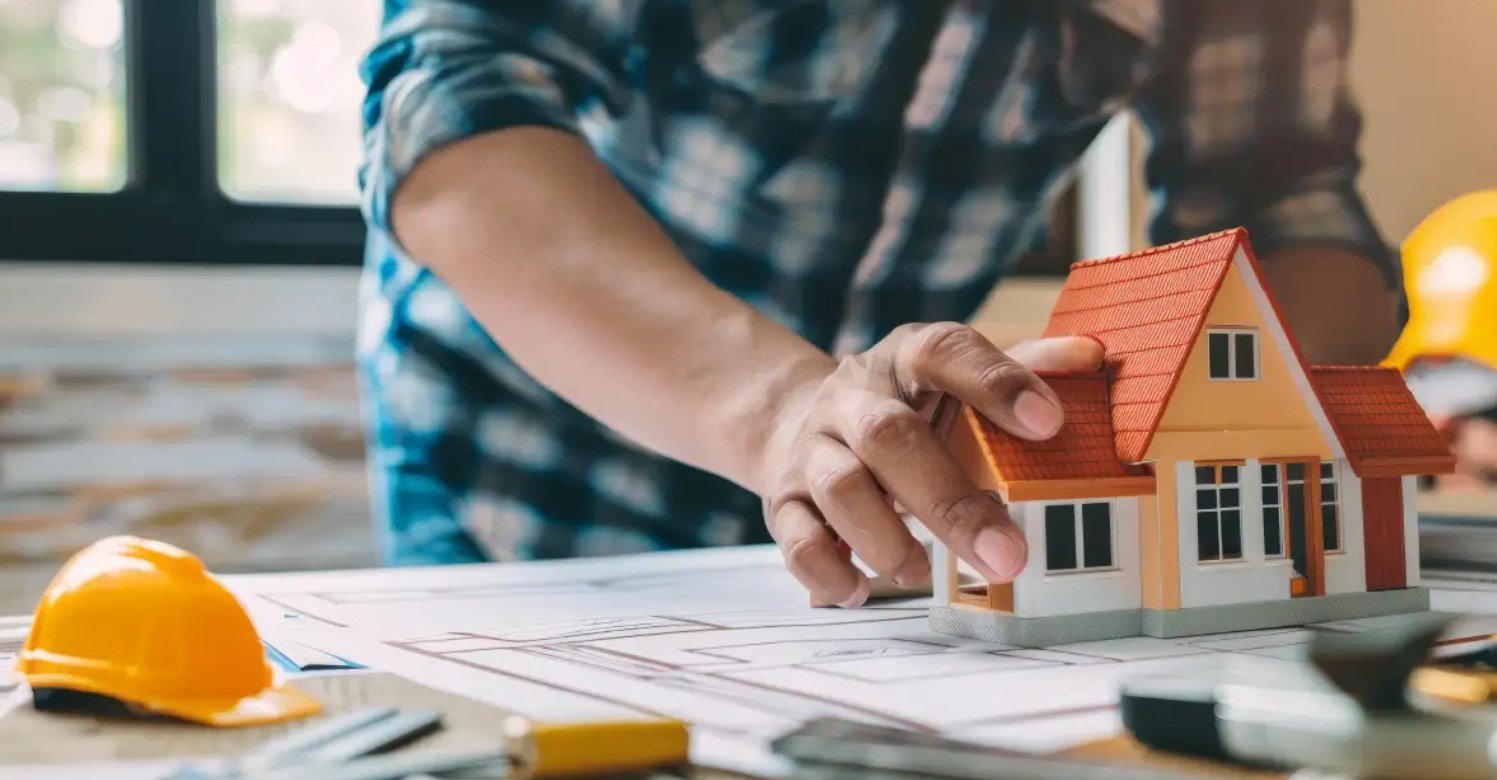

Building a home is one of the most exciting and significant investments in a person’s life. However, before laying the foundation, securing the proper home building permits is essential. These permits ensure that your construction project complies with local building codes, safety regulations, and zoning laws. Ignoring this step can result in fines, delays, or even legal action. Understanding the process of obtaining permits, the costs involved, and potential financing options can make the entire experience far less stressful.
Understanding Home Building Permits
Home building permits are official approvals issued by local government authorities that allow you to begin construction on your property. They cover a wide range of construction activities, including:
-
New home construction
-
Home additions or extensions
-
Major renovations
-
Electrical, plumbing, or HVAC installations
-
Structural modifications
The primary purpose of these permits is to protect the safety and well-being of homeowners, neighbors, and the community. Permits ensure that all construction work adheres to established building codes and regulations, preventing unsafe structures and costly mistakes.
Why You Need a Home Building Permit
Many homeowners see permits as an unnecessary hurdle, but they are crucial for several reasons:
-
Legal Compliance – Building without a permit is illegal in most areas and can lead to fines or legal complications.
-
Safety Assurance – Permits guarantee that construction work is inspected and meets safety standards.
-
Property Value – Homes built with proper permits are more attractive to buyers and maintain their market value.
-
Insurance Coverage – Insurance companies may refuse coverage for unpermitted work, leaving you at risk in case of damage or accidents.
-
Avoid Future Problems – Permits prevent issues with future renovations, sales, or home loans.
Obtaining a permit might feel time-consuming, but it ensures your investment is protected and your home is safe for years to come.
The Home Building Permit Process
The process of getting a home building permit varies depending on your location and the type of construction. Generally, it involves the following steps:
-
Research Local Regulations – Each city or county has specific building codes and zoning laws. Understanding these requirements is the first step.
-
Prepare Documentation – Typical documentation includes architectural plans, site plans, structural calculations, and proof of property ownership.
-
Submit Permit Application – Applications are usually submitted to the local building department, either online or in person.
-
Pay Permit Fees – Permit costs vary depending on the size and complexity of the project. Fees are often calculated based on the estimated construction cost or square footage.
-
Permit Review – The building department reviews your plans to ensure compliance with safety codes. They may request revisions or additional information.
-
Inspections – Once construction begins, inspectors may visit the site at different stages to verify compliance.
-
Final Approval – After passing all inspections, you receive final approval, signaling that your home is safe and compliant.
Understanding each step ahead of time can save time, money, and frustration. Planning and preparation are key to a smooth permit process.
Costs of Home Building Permits
The cost of a home building permit can vary widely depending on location, project size, and scope. On average, homeowners can expect to pay:
-
Small renovations: $50–$500
-
Home additions: $500–$2,500
-
New home construction: $1,000–$5,000 or more
Permit fees are a small fraction of the overall construction cost but can still be a financial concern. Fortunately, there are solutions to help homeowners manage these expenses.
Permit Financing Assistance
For many homeowners, especially those building their first home or undertaking large projects, upfront permit costs can be a hurdle. Permit financing assistance programs provide financial support to cover the cost of permits, inspections, and related fees. These programs are designed to make it easier for homeowners to comply with legal requirements without delaying construction.
Some key benefits of permit financing assistance include:
-
Easier Cash Flow Management – Spread permit costs over time rather than paying a lump sum.
-
Faster Project Approval – Financing can help you submit permit applications sooner, reducing construction delays.
-
Peace of Mind – You can focus on building your dream home while knowing financial support is available for compliance costs.
Various organizations, local governments, and private lenders offer financing solutions specifically for construction permits. Homeowners can research available options and choose the plan that best fits their budget.
Tips for a Smooth Permit Application
Securing a home building permit can be a smoother experience if you follow a few practical tips:
-
Hire a Professional – Architects, engineers, and contractors familiar with local codes can help ensure your application is complete.
-
Submit Accurate Plans – Incomplete or inaccurate plans are a common reason for delays. Double-check all details.
-
Ask About Permit Fees Upfront – Knowing all costs before applying avoids surprises.
-
Use Financing if Needed – If permit fees are a concern, explore financing assistance to avoid delaying your project.
-
Stay Organized – Keep copies of all permits, approvals, and correspondence for reference during construction.
By following these steps, homeowners can reduce the stress and uncertainty of the permit process.
Final Thoughts
Obtaining home building permits is an essential step for any construction project. It ensures safety, legal compliance, and long-term value for your property. While the process can seem complicated and the costs may add up, solutions like permit financing assistance make it much easier for homeowners to proceed without delays.
Whether you are building your dream home, adding an extension, or renovating an existing property, securing the right permits and understanding financing options will save time, money, and stress. Taking these steps shows that you are committed to building safely and responsibly, ultimately creating a home that is secure, legally compliant, and ready to last for generations.
