
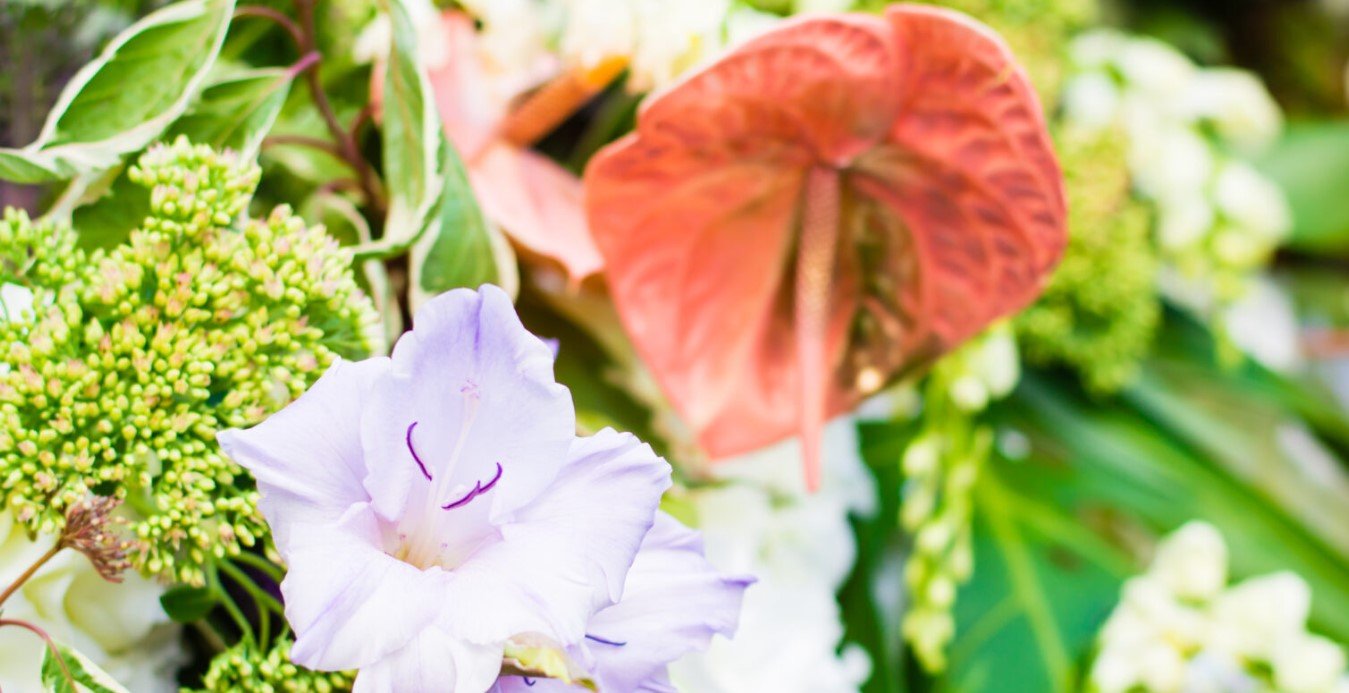

Flowers have always been a gentle yet powerful way to express emotions, especially during moments of loss. When words fall short, a carefully chosen funeral flower arrangement can communicate love, respect, sympathy, and remembrance. Across cultures and traditions, flowers have played a significant role in funeral ceremonies, offering comfort to grieving families and honoring the life of the departed in a meaningful and beautiful way.
The Importance of Funeral Flowers
A funeral flower is not just a decorative element—it carries deep symbolic meaning. Flowers help create a शांत and respectful atmosphere, making the environment more comforting for family and friends. They also serve as a visual tribute, reflecting the personality, beliefs, and legacy of the person who has passed away.
In many cultures, flowers are seen as a symbol of life, growth, and renewal. Their natural beauty reminds us that while life is temporary, memories and love continue to live on. This is why choosing the right funeral flower arrangement is such an important part of the farewell process.
Popular Types of Funeral Flowers
Different flowers carry different meanings, and understanding them can help you choose the most appropriate tribute.
- Lilies: One of the most common funeral flower choices, lilies symbolize peace, purity, and the restored innocence of the soul.
- Roses: Roses express love and respect. Red roses symbolize deep love, while white roses represent purity and reverence.
- Chrysanthemums: In many countries, chrysanthemums are strongly associated with death and mourning, symbolizing honor and grief.
- Carnations: These flowers represent admiration and remembrance. White carnations symbolize pure love, while pink ones often represent gratitude.
- Orchids: Orchids symbolize eternal love and beauty, making them a thoughtful and elegant choice.
Each funeral flower type can be selected based on personal preference, cultural traditions, or the message you want to convey.
Types of Funeral Flower Arrangements
Funeral flowers come in various arrangements, each designed for a specific purpose:
- Casket Sprays: Placed on top of the casket, these are usually chosen by close family members.
- Standing Sprays: Displayed on easels, these are often sent by friends, colleagues, or extended family.
- Wreaths: Circular in shape, wreaths symbolize eternal life and are a traditional funeral flower arrangement.
- Bouquets and Baskets: These are versatile and can be sent directly to the funeral home or the family’s residence.
- Heart-Shaped Arrangements: These express deep love and compassion.
Choosing the right arrangement depends on your relationship with the deceased and the message you wish to express.
Cultural and Religious Significance
The meaning of a funeral flower can vary depending on cultural and religious beliefs. In some traditions, certain flowers or colors are preferred, while others may be avoided.
For example, white flowers are often associated with mourning and purity in many cultures, while bright colors may be used to celebrate a life well-lived. In some regions, specific flowers like marigolds or chrysanthemums hold special significance in funeral rituals.
Understanding these traditions ensures that your funeral flower choice is both respectful and appropriate.
How to Choose the Right Funeral Flower
Selecting the perfect funeral flower arrangement can feel overwhelming, but a few simple considerations can help:
- Relationship: Close family members often choose larger arrangements like casket sprays, while friends may opt for smaller bouquets.
- Personality: Think about the favorite flowers, colors, or style of the person being remembered.
- Message: Consider what you want to express—love, sympathy, respect, or remembrance.
- Cultural Practices: Be mindful of traditions and customs that may influence your choice.
Adding a personalized note or message along with your funeral flower can make the tribute even more meaningful.
A funeral flower specialist plays an important role in helping families create meaningful and respectful floral tributes during difficult times. With experience and sensitivity, a funeral flower specialist understands the symbolism behind different flowers and arrangements, guiding clients in choosing designs that reflect love, remembrance, and cultural traditions. From elegant wreaths to personalized casket sprays, they ensure every detail is handled with care, allowing families to express their emotions through beautifully arranged flowers that honor their loved one’s memory.
Modern Trends in Funeral Flowers
Today, many people are moving beyond traditional arrangements and exploring more personalized options. Eco-friendly funeral flower arrangements, such as biodegradable wreaths or locally sourced blooms, are becoming increasingly popular.
Some families also choose to incorporate the flowers into keepsakes or memorial items after the service. Others prefer living plants that can be nurtured and grown as a lasting tribute.
These modern approaches allow families to honor their loved ones in ways that feel more personal and meaningful.
The Emotional Impact of Funeral Flowers
The presence of a funeral flower arrangement can bring a sense of comfort and peace during a difficult time. Flowers create a warm and supportive environment, helping people feel less alone in their grief.
For the family, receiving flowers is a reminder that they are surrounded by love and support. For those attending the service, flowers serve as a visual expression of shared sorrow and respect.
Final Thoughts
A funeral flower is more than just a gesture—it is a heartfelt expression of emotion, memory, and احترام. Whether simple or elaborate, each arrangement carries a message of love and remembrance that can provide comfort during one of life’s most challenging moments.
By choosing flowers thoughtfully, you can create a meaningful tribute that honors the life of a loved one and brings solace to those who gather to remember them.
