
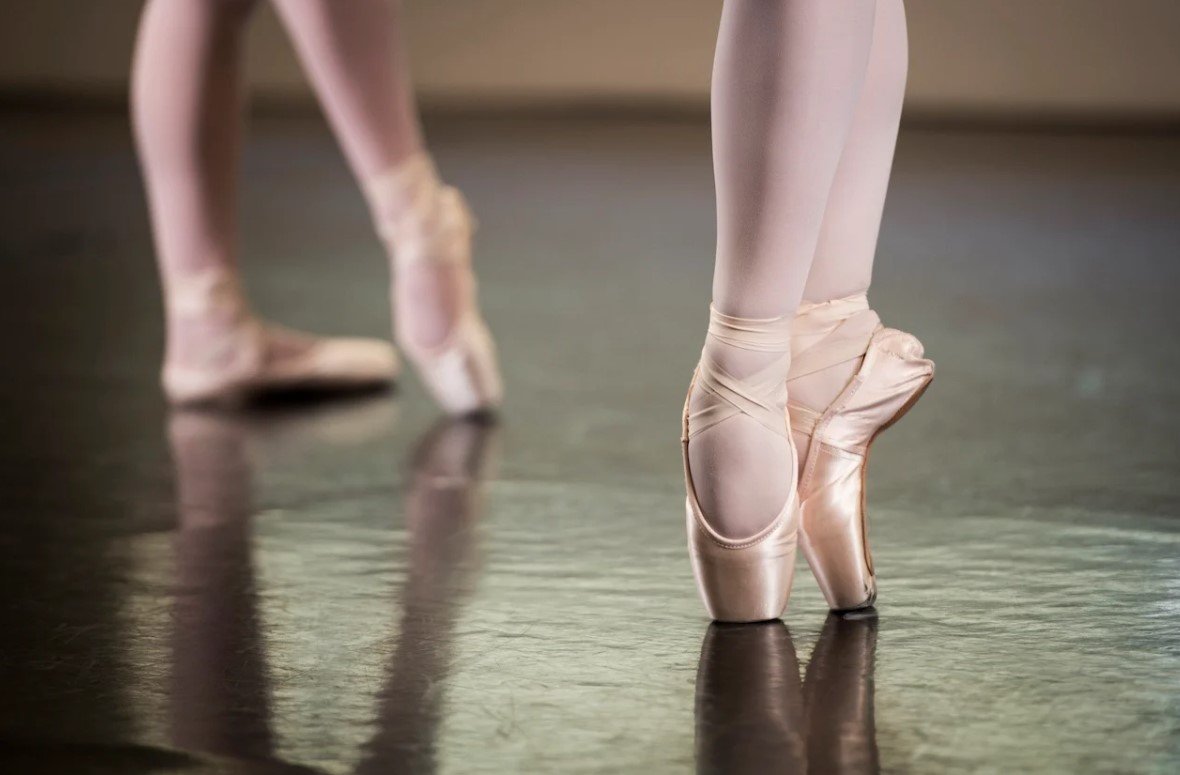

Every young ballet dancer dreams of the moment they can rise gracefully onto pointe. For parents, however, that milestone often comes with questions, concerns, and a desire to ensure their child’s safety. Deciding WHEN IS MY CHILD READY FOR POINTE SHOES? is not simply about age or excitement—it’s about physical readiness, proper training, and professional guidance. Understanding the right timing can make all the difference between a positive experience and potential injury.
Understanding Pointe Work in Ballet
Pointe work is one of the most advanced aspects of ballet. It involves dancers supporting their entire body weight on the tips of their toes while wearing specially designed pointe shoes. While it may look effortless on stage, it requires strong muscles, excellent technique, and proper alignment.
Many children become eager to start pointe as soon as they see older dancers performing. However, rushing into it too soon can lead to long-term damage to developing bones and joints. That’s why answering WHEN IS MY CHILD READY FOR POINTE SHOES? requires careful consideration of several important factors.
Age Is Not the Only Factor
A common misconception is that children are ready for pointe at a specific age, often around 11 or 12. While this can be a general guideline, age alone is not enough to determine readiness.
Some children may develop strength and coordination earlier, while others need more time. Growth plates in the feet are still forming in younger dancers, and placing too much pressure on them prematurely can cause injuries.
Instead of focusing only on age, parents and instructors should evaluate overall physical development, strength, and technical ability before deciding WHEN IS MY CHILD READY FOR POINTE SHOES?
Strength and Physical Readiness
One of the most critical aspects of pointe readiness is strength. A dancer must have:
-
Strong ankle stability
-
Well-developed leg muscles
-
Core strength for balance and control
-
Proper foot alignment
Without these, pointe work becomes unsafe. Dancers need to be able to rise to demi-pointe (half-toe) with control and maintain balance without wobbling. They should also demonstrate consistent technique during regular ballet classes.
If a child struggles with basic movements, it’s a clear sign they are not yet ready. Strength-building exercises and continued training will help prepare them over time.
Proper Training and Experience
Another key factor in determining WHEN IS MY CHILD READY FOR POINTE SHOES? is the amount of training they have received. Most ballet professionals recommend at least 2–4 years of consistent ballet classes before beginning pointe work.
Training should include:
-
Regular weekly ballet classes (at least 2–3 times per week)
-
Focus on technique and alignment
-
Practice of foundational movements like pliés, relevés, and turns
Consistency is essential. A child who attends classes sporadically may not build the necessary strength and muscle memory required for pointe.
The Importance of Technique
Even if a child is strong and enthusiastic, poor technique can make pointe work dangerous. Proper alignment—keeping the body straight and balanced—is essential to avoid strain on the feet and ankles.
Teachers will look for:
-
Straight knees during movements
-
Proper turnout from the hips (not forced from the feet)
-
Good posture and core engagement
-
Controlled transitions between steps
If these elements are not consistently demonstrated, it’s best to delay pointe work until technique improves.
Professional Evaluation Matters
No matter how eager a child may be, the final decision should always come from a qualified ballet instructor. Teachers have the experience to assess whether a student is physically and technically ready.
Some dance schools even conduct formal pointe readiness assessments. These may include exercises that test balance, strength, and alignment.
Parents should trust the instructor’s judgment. Asking WHEN IS MY CHILD READY FOR POINTE SHOES? is best answered by someone who observes the child regularly in class.
Signs Your Child May Be Ready
While only a teacher can give the final approval, there are some positive signs that indicate readiness:
-
Your child has been training consistently for several years
-
They can perform movements with control and stability
-
Their ankles and legs appear strong and well-developed
-
They listen to corrections and apply them effectively
-
They show discipline and patience in class
These signs suggest that a child is progressing in the right direction.
Risks of Starting Too Early
Starting pointe work before a child is ready can lead to serious problems, including:
-
Foot injuries and stress fractures
-
Ankle instability
-
Long-term damage to growth plates
-
Poor technique habits that are hard to correct
Beyond physical risks, it can also lead to frustration if the child struggles due to lack of readiness. That’s why it’s crucial not to rush the process.
Understanding WHEN IS MY CHILD READY FOR POINTE SHOES? helps protect your child’s health and ensures a positive dance journey.
Supporting Your Child’s Progress
As a parent, you play an important role in supporting your child’s ballet goals. Here’s how you can help:
Encourage Patience
Remind your child that pointe work is a milestone earned through dedication and hard work.
Focus on Training
Ensure they attend classes regularly and practice recommended exercises at home.
Communicate with Teachers
Stay in touch with instructors to understand your child’s progress and readiness.
Invest in Proper Fitting
When the time comes, make sure pointe shoes are professionally fitted to avoid discomfort and injury.
Emotional Readiness Is Also Important
Physical readiness is essential, but emotional maturity matters too. Pointe work requires discipline, focus, and the ability to handle corrections.
A child should be:
-
Willing to listen and learn
-
Responsible in following instructions
-
Patient with gradual progress
If a child becomes discouraged easily or resists guidance, it may be better to wait until they are more mentally prepared.
Conclusion
The journey to pointe is an exciting milestone in a young dancer’s life, but it should never be rushed. Determining WHEN IS MY CHILD READY FOR POINTE SHOES? involves much more than age—it requires strength, training, technique, and professional evaluation.
By focusing on proper preparation and trusting experienced instructors, you can ensure your child transitions to pointe safely and confidently. With the right timing, pointe work becomes not only a beautiful achievement but also a rewarding step in their ballet journey.
